

Why Kubota Offers So Many Similar Compact Tractor Sizes
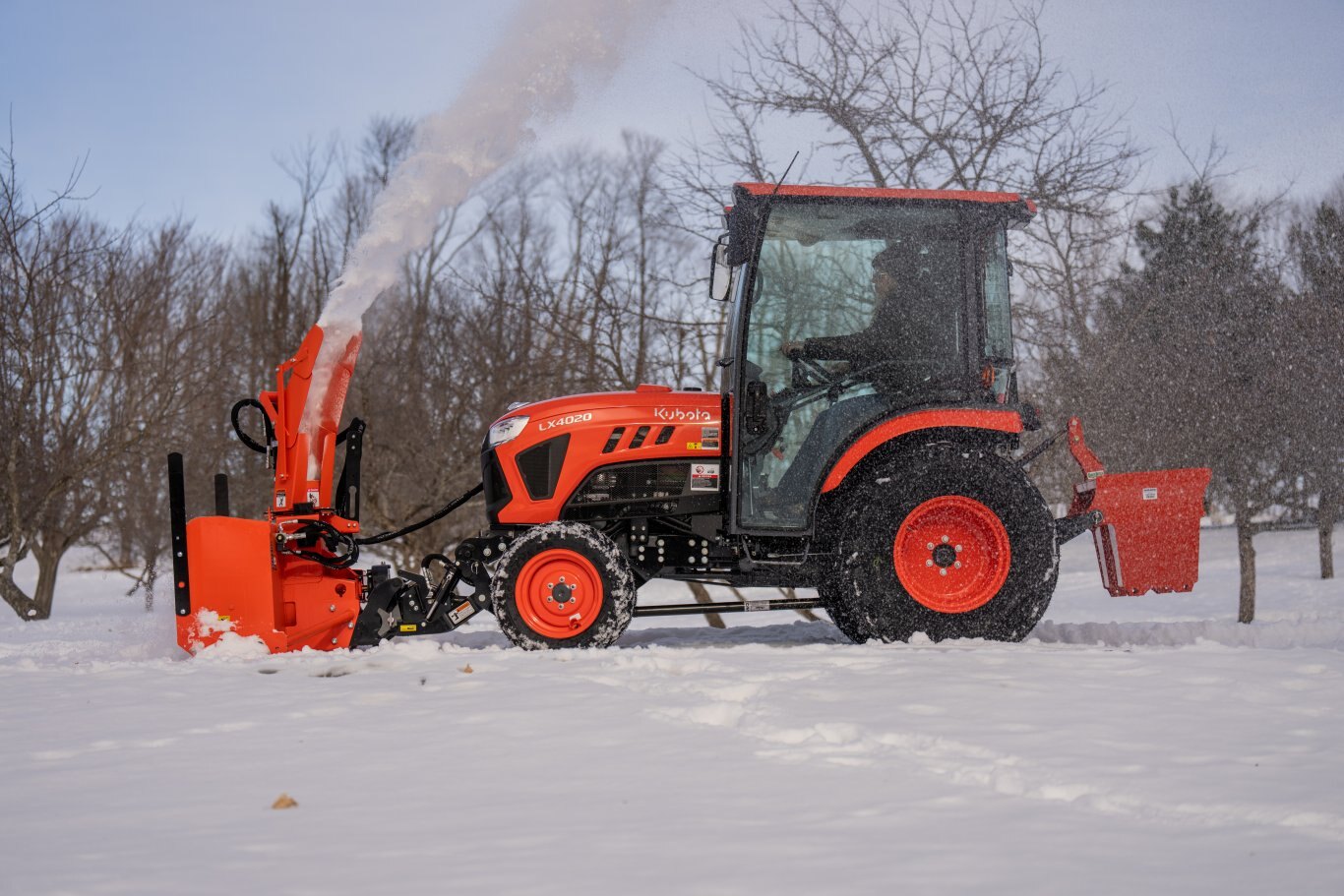
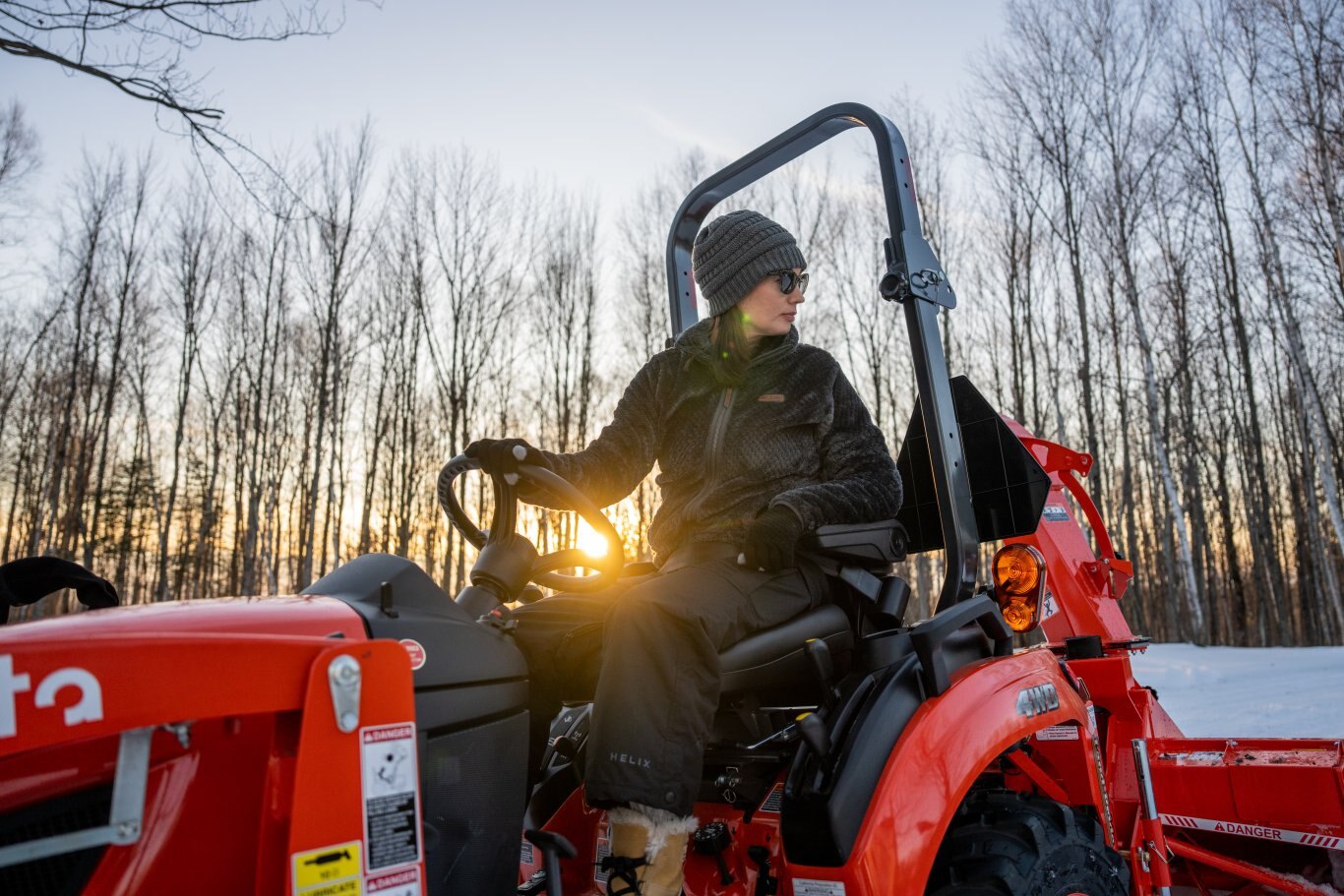
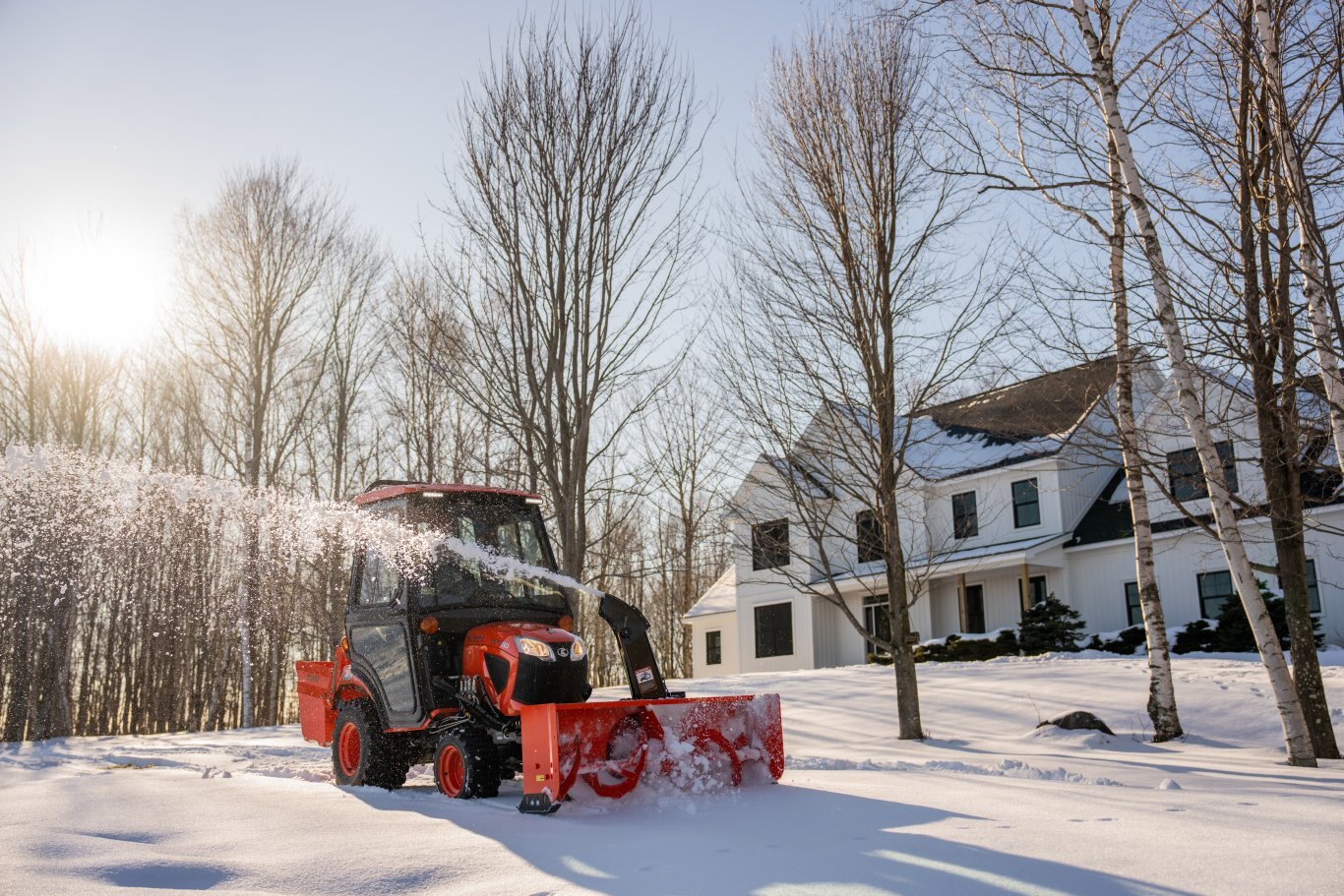
One of the most common questions we get is why Kubota offers so many compact tractors that appear to overlap in horsepower. On the surface, it can feel unnecessary, but in reality it’s very intentional. Compact tractors serve a wide range of applications, and horsepower alone doesn’t tell the full story of what a machine is designed to do.
There are situations where someone needs the lift capacity and engine output of a 30-horsepower tractor, but they’re working in tight spaces, around landscaped areas, or on ground that can’t handle excess weight. In those cases, minimizing the tractor’s base weight becomes just as important as the power it produces. Ballast can always be added when required, but starting with a lighter, more controlled platform allows for far greater flexibility and safety.
On hobby farms or rural properties, the priorities often shift. Stability becomes critical, especially when working on uneven or muddy ground during the spring and summer months. In those situations, a tractor with more base weight, a wider stance, and a longer wheelbase can safely carry heavy loads across terrain that would challenge a lighter machine. These design differences are why horsepower alone isn’t the best comparison point, even though it’s the number most often advertised in the industry.



contact
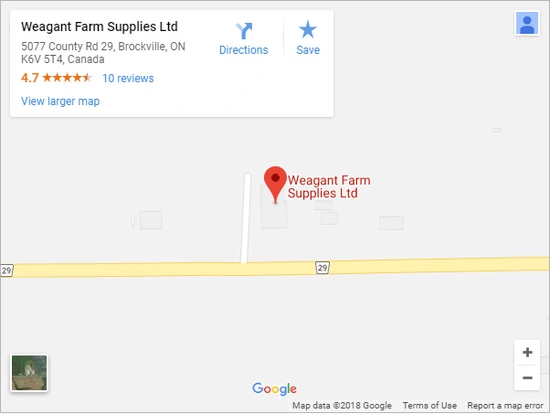
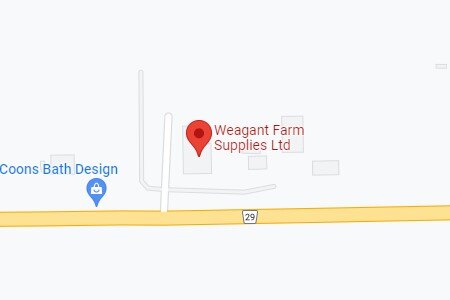
weagant farm supplies ltd. 5077 COUNTY RD 29 BROCKVILLE, ON K6V 5T4 613-342-0668 Map + Directions
QUICK LINKS
new inventory used inventory special deals parts services Paste as plain textKeyboard shortcut Ctrl+Shift+V contact us
HOURS
monday to friday
8:00 am - 5:00 pm
saturday
8:00AM - 12:00PM
sunday
Closed
LOCATION
| Monday - Friday | 8:00 am - 5:00 pm |
| Saturday | 8:00AM - 12:00PM |
| Sunday | Closed |